.png)
Uncork the Secrets: Wine Education for Everyone

Wine is more than just a drink; it’s a journey through history, culture, and the art of craftsmanship. Whether you’re a novice looking to explore the world of wine or a seasoned enthusiast seeking to deepen your knowledge, understanding wine can enhance your appreciation and enjoyment. This guide will take you through the essentials of wine education, from the basics of grape varieties to the intricacies of tasting and pairing.
Understanding Wine Basics
What is Wine?
At its core, wine is fermented grape juice. The fermentation process involves yeast converting the sugars in grapes into alcohol. The type of grape, the region where it’s grown, and the methods used in production all contribute to the wine's unique characteristics.
Types of Wine
Wine can be broadly categorized into several types:
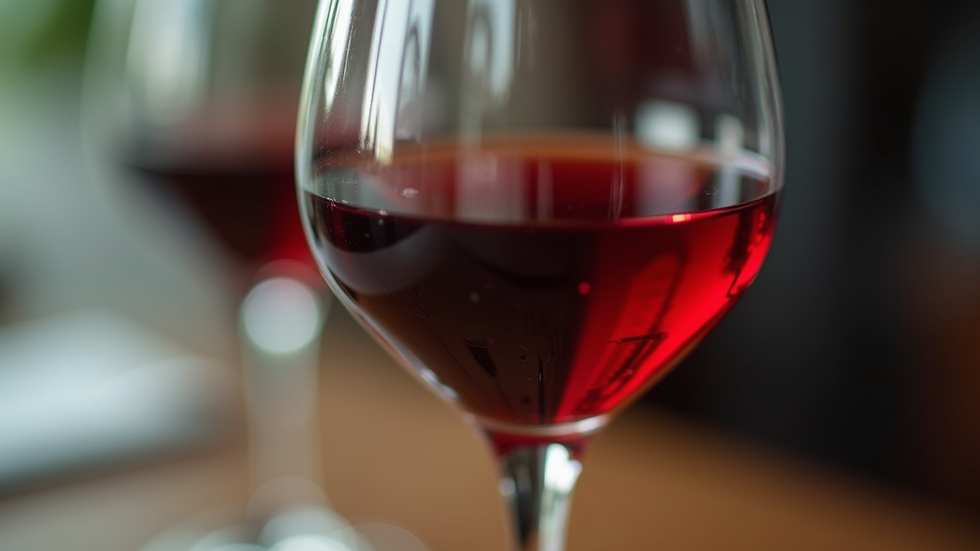
Red Wine: Made from dark-colored grape varieties, red wine is known for its rich flavors and tannins. Common varieties include Cabernet Sauvignon, Merlot, and Pinot Noir.
White Wine: Typically lighter and crisper than red, white wine is made from green or yellowish grapes. Popular types include Chardonnay, Sauvignon Blanc, and Riesling.
Rosé Wine: This wine is made from red grapes but has limited skin contact, giving it a pink hue. It combines characteristics of both red and white wines.
Sparkling Wine: Known for its bubbles, sparkling wine undergoes a secondary fermentation process. Champagne is the most famous example, but there are many others like Prosecco and Cava.
Dessert Wine: These wines are sweeter and often served with or as dessert. Examples include Port, Sauternes, and Ice Wine.
The Importance of Terroir
Terroir is a French term that refers to the unique environmental factors that affect a vineyard's grapes, including soil, climate, and topography. Understanding terroir helps explain why wines from different regions taste distinctively different, even if they are made from the same grape variety.
The Winemaking Process
Harvesting
The winemaking process begins with harvesting grapes, which can be done either by hand or machine. The timing of the harvest is crucial, as it affects the sugar and acidity levels in the grapes.
Crushing and Pressing
After harvesting, grapes are crushed to release their juice. For white wines, the juice is separated from the skins immediately, while for red wines, the skins remain in contact with the juice during fermentation to impart color and tannins.
Fermentation
Fermentation is where the magic happens. Yeast is added to the grape juice, converting sugars into alcohol. This process can take anywhere from a few days to several weeks, depending on the type of wine being produced.
Aging
Once fermentation is complete, wine is often aged in barrels or tanks. Aging can enhance the flavors and aromas of the wine. The choice of barrel (oak vs. stainless steel) and the duration of aging can significantly impact the final product.
Bottling
After aging, the wine is filtered and bottled. Some wines may undergo additional processes, such as blending or fining, to achieve the desired flavor profile.
Tasting Wine
The Five S's of Wine Tasting
To truly appreciate wine, it’s essential to engage your senses. The five S's of wine tasting are:
See: Observe the wine's color and clarity. Swirl the glass to see how the wine coats the sides.
Swirl: Swirling releases the wine's aromas, allowing you to better appreciate its bouquet.
Smell: Take a moment to inhale the wine's aromas. Try to identify different scents, such as fruit, floral, or earthy notes.
Sip: Take a small sip and let the wine coat your palate. Pay attention to the flavors and how they evolve.
Savor: Reflect on the finish of the wine. How long do the flavors linger? What sensations do you experience?
Common Tasting Notes
When tasting wine, you may encounter various flavor profiles. Here are some common tasting notes to look for:
Fruity: Notes of berries, citrus, or stone fruits.
Floral: Aromas reminiscent of flowers, such as jasmine or rose.
Earthy: Flavors that evoke soil, minerals, or herbs.
Spicy: Hints of pepper, clove, or cinnamon.
Woody: Characteristics from oak aging, such as vanilla or toast.
Pairing Wine with Food
The Basics of Wine Pairing
Pairing wine with food can elevate your dining experience. Here are some general guidelines:
White Wine with Fish: The lightness of white wine complements the delicate flavors of fish.
Red Wine with Red Meat: The tannins in red wine balance the richness of red meats.
Sweet Wine with Spicy Food: Sweet wines can counterbalance the heat in spicy dishes.
Classic Pairing Examples
Chardonnay with Lobster: The buttery texture of Chardonnay pairs beautifully with the richness of lobster.
Cabernet Sauvignon with Steak: The bold flavors of Cabernet Sauvignon enhance the savory notes of a grilled steak.
Pinot Noir with Duck: The acidity and fruitiness of Pinot Noir complement the richness of duck.
Exploring Wine Regions
Famous Wine Regions
Different regions around the world are known for their unique wine styles. Here are a few notable ones:
Bordeaux, France: Renowned for its red blends, primarily made from Cabernet Sauvignon and Merlot.
Napa Valley, California: Famous for its high-quality Cabernet Sauvignon and Chardonnay.
Tuscany, Italy: Known for Sangiovese-based wines, including Chianti and Brunello di Montalcino.
Emerging Wine Regions
While traditional regions dominate the wine landscape, emerging regions are gaining recognition:
Oregon, USA: Known for its exceptional Pinot Noir and cool-climate varietals.
South Africa: Offers a diverse range of wines, with Chenin Blanc and Pinotage being standout varieties.
Chile: Known for its value-driven wines, particularly Cabernet Sauvignon and Carménère.
Wine Etiquette
Serving Wine
When serving wine, consider the following tips:
Temperature: Serve white wines chilled and red wines at room temperature.
Glassware: Use appropriate glassware for each type of wine to enhance the tasting experience.
Tasting Events
If you’re attending a wine tasting event, remember to:
Be Respectful: Avoid overpowering others with your opinions. Share your thoughts but be open to different perspectives.
Spit or Swallow: At professional tastings, it’s common to spit out wine after tasting to avoid inebriation.
Conclusion
Wine education is a rewarding journey that opens up a world of flavors, aromas, and experiences. By understanding the basics of wine, tasting techniques, and food pairings, you can enhance your enjoyment and appreciation of this timeless beverage. So, whether you’re sipping a glass of Cabernet Sauvignon or exploring a new region, remember that every bottle tells a story. Cheers to your wine journey!


Comments